PCOS is one of the most common hormonal disorders in women between the ages of 13 to 45 years in which a woman’s hormones become out of balance. It can affect a girl’s/woman’s:
Menstrual cycle
Ability to have children
Hormones
Heart
Blood vessels
Physical Appearance
Symptoms and Signs
PCOS is a condition defined by a collection of signs and symptoms.
The symptoms of PCOS that one patient experiences can be very different from the symptoms of another patient. If you have two or more of the following symptoms, you need to have a thorough checkup to determine if you have PCOS and need treatment:
Irregular or missing menstrual periods
Very light or very heavy periods
Infertility
Excess or unwanted body or facial hair growth
Male pattern baldness or thinning of hair on the scalp
Weight problems: Weight gain and difficulty in losing weight
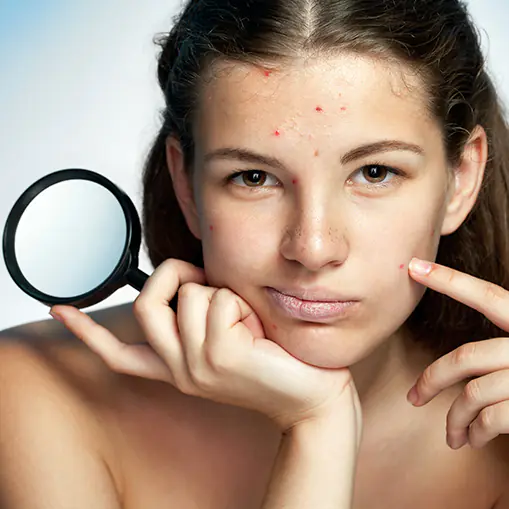
Skin problems: acne, skin tags, dandruff and darkening skin
Pelvic pain
Prevalence
Polycystic ovaries are very common and can affect up to 20% of women. This means that 1 in 5 women may have this condition.
It is estimated that 10 million women worldwide are affected by this condition.
The prevalence is very high in women of South Asian and Middle Eastern origin. In these women it presents at a younger age and with severe symptoms.
Effect on your Life and Complications occurring due to PCOS:
The common PCOS symptoms mentioned above are already difficult enough for most women, but some will experience additional complications which will further affect the lives of these women suffering with this condition, including:
Type 2 Diabetes: more than 50% of women with PCOS will have diabetes or pre-diabetes (impaired glucose tolerance) before the age of 40
Heart and blood vessel problems: This risk is 4-7 times higher in women with PCOS than women of the same age without PCOS
High cholesterol level
Stroke
Uterine cancer
Sleep apnea (when breathing stops for short periods of time while asleep). This causes:
Snoring
Daytime fatigue
Affect on mood
Depression
Anxiety
Complications of Pregnancy
Gestational diabetes
Preterm birth
Pre eclampsia
Treatments
Treatments are chosen based on a woman's symptoms, age and future pregnancy plans.
Treatments for PCOS may include:
Lifestyle changes
Medications
Surgery
Laparoscopic surgical treatment of the ovaries for women who show lack of ovulation and pelvic pain
Lifestyle Changes and Prevention
One of the best treatments for PCOS is a healthy lifestyle. A healthy diet low in refined carbohydrates is important, as this can help regulate blood sugar levels. Exercise can also help the body regulate insulin and keep excess weight off. Losing weight is challenging with PCOS, but doing so can help reduce the male hormone levels in the body, and some women will begin to ovulate naturally. With a proper diagnosis, lifestyle changes and PCOS treatment, women can get relief from this condition and the overwhelming health problems it can cause.
Training Skills and Experience of Dr (Mrs) Salma Kayani
Dr Salma Kayani is officially trained by the Royal College of Obstetricians and Gynaecologists (UK) in the medical and surgical treatment of this common yet difficult problem, which is faced by young girls and young women of reproductive age.
If medical treatment is not helping you, Dr Salma Kayani performs a short operation through keyhole surgery to treat your ovaries after which your period problems improve and your chances of natural pregnancy become very high.
FAQ
Is PCOS hereditary?
Yes
Are environmental factors involved in PCOS?
Yes. What you eat and your environment affects PCOS.
What is an ovarian cyst?
The definition of a cyst is a fluid-filled sac. With PCOS, women can develop "cysts" in the ovaries due to eggs not being released over time. The follicles keep growing and form multiple "cysts." These may be described as appearing like a "string of pearls" in an ultrasound image.
Do I need to have cysts in my ovaries to be diagnosed with PCOS?
Despite the name, women with PCOS don't need to have ovarian cysts.
Can I get pregnant if I have PCOS?
PCOS is a leading cause of fertility problems, but having a diagnosis of PCOS does not mean that you are infertile. PCOS is treatable and many women with PCOS do get pregnant naturally or with the help of fertility treatments or after surgery